Adaptive Neural Networks Reshape Slot Algorithm Design and Retention Metrics
Theo Zimmermann · Nov 17, 2026

Adaptive Neural Networks Reshape Slot Algorithm Design and Retention Metrics
Adaptive neural networks now form the core of many modern slot algorithm designs, allowing systems to process player interaction data in real time and modify game parameters accordingly. These networks analyze sequences of spins, bet sizes, and session durations to identify patterns that correlate with continued engagement, then adjust elements such as reel weights, bonus trigger frequencies, and payout distributions without manual intervention from developers.
Operators have integrated these models across distributed server environments, where each player's activity feeds into a continuously updated profile. The resulting adjustments occur within milliseconds, producing variations in gameplay that align with observed preferences for certain volatility levels or feature types. Data from multiple jurisdictions indicates that platforms employing such networks report measurable shifts in average session length and repeat visit rates compared with static algorithm baselines.
Core Mechanisms Behind Adaptive Slot Systems
At the technical level, these networks rely on recurrent and transformer-based architectures that maintain hidden states representing cumulative player behavior. Input features include time-stamped bet histories, win-loss sequences, and navigation paths through game menus, while output layers generate probability distributions that control symbol landing rates and feature activation thresholds. Training occurs on anonymized datasets aggregated across thousands of sessions, with reinforcement learning loops rewarding configurations that extend play without exceeding predefined responsible gaming boundaries.
One deployment in a European operator network demonstrated how the model shifted from high-volatility modes during peak evening hours to lower-volatility sequences during midday periods, based on aggregated cohort data. The change coincided with a documented increase in the proportion of sessions exceeding fifteen minutes, according to internal telemetry reviewed by the operator's analytics division. Similar implementations in North American markets have incorporated additional signals from loyalty program tiers to further refine personalization.
Measured Effects on Retention Indicators
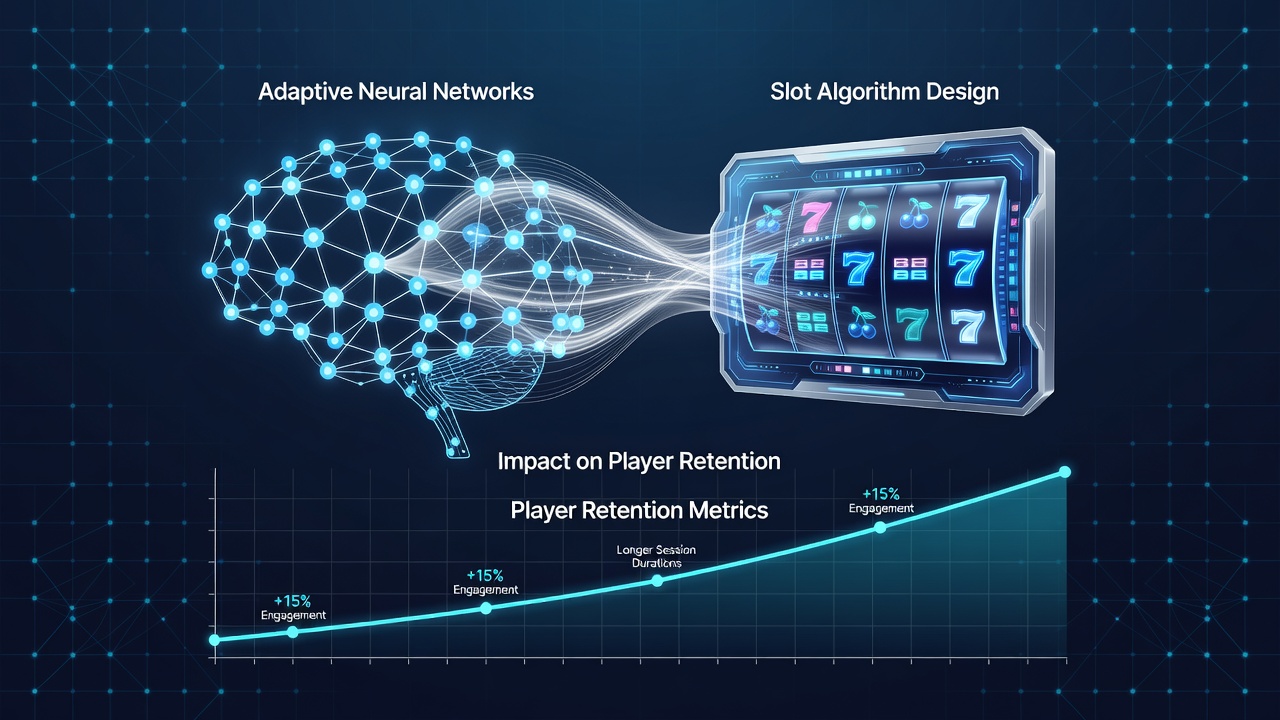
Retention metrics tracked by operators include day-one return rates, seven-day active user counts, and lifetime session totals. Platforms that introduced adaptive neural networks recorded average lifts in seven-day retention between four and nine percent within the first quarter of deployment, based on comparative A/B testing against control groups using fixed algorithms. These gains appear most pronounced among mid-tier players whose activity previously showed inconsistent patterns rather than steady engagement.
Longer-term figures released in November 2026 by a consortium of Canadian provincial gaming authorities highlighted that sites utilizing neural adaptation maintained higher percentages of monthly active accounts across twelve-month observation windows. The report noted correlations between dynamic reel adjustments and reduced churn among players who had previously completed fewer than five sessions per month. Observers note that the same datasets also track ancillary indicators such as average deposits per retained account, revealing stable rather than elevated spending behaviors among the retained cohort.
Integration Challenges and Regulatory Context
Implementing these systems requires substantial compute resources and careful calibration to avoid unintended clustering of outcomes that could trigger compliance reviews. Regulators in several Australian states have begun requesting audit logs that document the decision pathways of neural models when they alter game mathematics mid-session. Industry groups such as the American Gaming Association have published voluntary guidelines encouraging operators to maintain human oversight layers that can override automated changes when aggregate data suggests deviation from approved return-to-player ranges.
Cross-border operators face additional complexity when reconciling differing data protection rules, particularly where player profiles must remain segmented by jurisdiction. Research teams at institutions including the University of Macau have examined how federated learning approaches allow models to improve without centralizing raw behavioral records, thereby aligning technical capabilities with privacy statutes in multiple regions.
Future Trajectories in Algorithmic Slot Design
Continued refinement of these networks points toward multi-game ecosystems where insights from slot sessions inform parameter settings in adjacent verticals such as table games and instant-win products. Early trials conducted by an Asian operator group showed that shared embedding layers across game types produced more accurate predictions of cross-product migration, resulting in coordinated reward structures that sustained overall platform activity. Industry reports from the International Association of Gaming Regulators anticipate further standardization of model validation protocols by 2028, which would streamline approval processes while preserving the adaptability that currently drives observed retention improvements.
Conclusion
Adaptive neural networks have moved from experimental pilots to operational infrastructure in slot design, delivering documented shifts in retention metrics across multiple markets. The combination of real-time behavioral modeling and regulatory-compliant oversight continues to shape how operators balance engagement objectives with compliance requirements, while ongoing academic and industry research refines the underlying techniques for broader application.