How real-time data streams are recalibrating personalized incentive structures across linked mobile and desktop gaming environments
Otto Günther · Oct 20, 2026
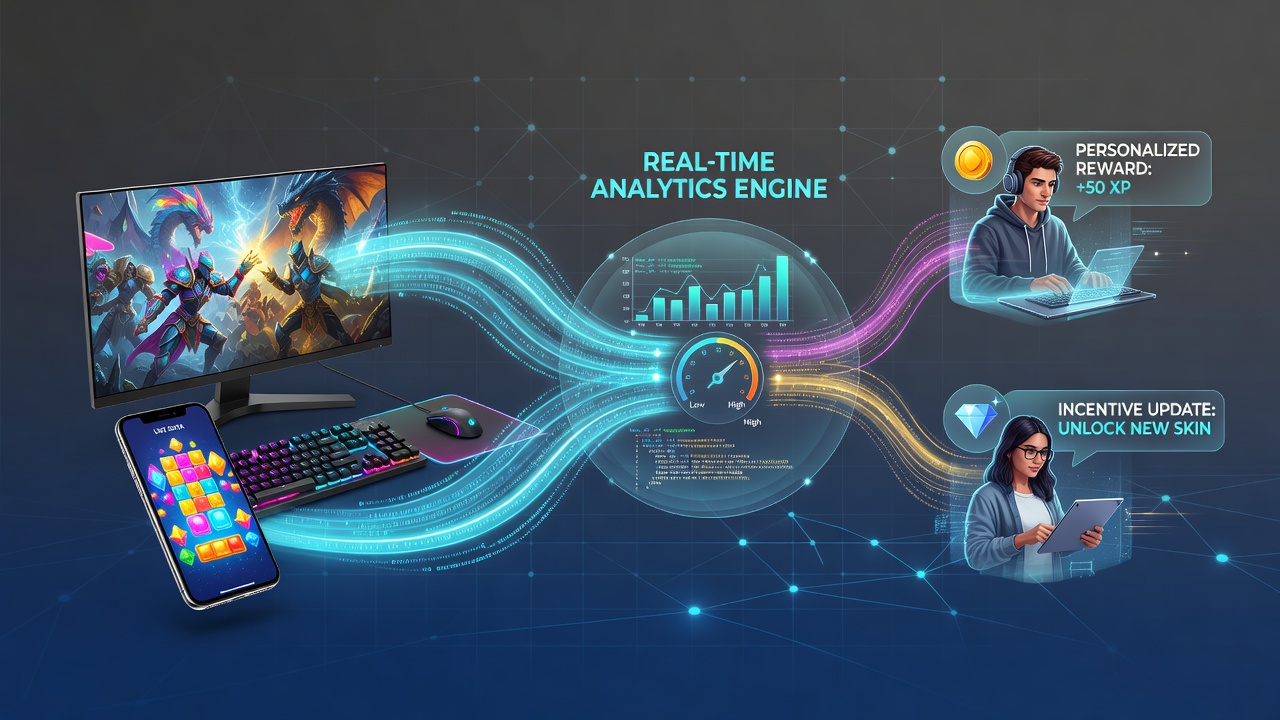
Real-time data streams now connect player actions across mobile phones and desktop computers in unified gaming setups, and these connections allow operators to modify incentives without noticeable delays. Systems pull behavioral metrics such as session duration, bet frequency, and game selection patterns from both device types, then route the combined information through centralized processing layers that recalibrate offers in seconds. Operators track location signals, device preferences, and historical engagement data simultaneously, which produces incentive structures that update when a player switches platforms mid-session.Core Mechanisms Behind Live Stream Integration
Cloud-based synchronization tools capture every interaction timestamp and feed those records into analytics engines that compare current activity against stored profiles. When a user moves from a mobile slot session to a desktop table game, the engine merges the new inputs with prior mobile data and immediately recalculates available bonuses or loyalty multipliers. Edge servers positioned near major population centers reduce transmission times, so adjustments reach the player interface before the next game round begins. Studies from North American research institutions show that these merged profiles increase retention metrics by aligning rewards more closely with demonstrated preferences rather than static categories.
Algorithms classify players into dynamic segments based on velocity of play and preferred game volatility, then apply tiered incentives that shift when thresholds are crossed. For instance, a player who completes a set number of spins on mobile may receive an instant desktop credit that appears only after the session transfers, and the value of that credit reflects aggregated spend across both environments. Payment processors feed transaction confirmations into the same stream, allowing reward wallets to reflect updated balances without separate reconciliation steps.
Device-Specific Data Contributions and Unified Outputs
Mobile platforms contribute granular touch data including swipe speed and session interruptions caused by notifications, whereas desktop environments supply keyboard and mouse precision metrics along with longer average session lengths. The combined dataset lets operators identify when a player prefers quick mobile sessions during commutes and extended desktop play during evenings, which in turn shapes the timing and format of incentive delivery. In October 2026, industry reports documented widespread adoption of these merged streams among major platform operators seeking to reduce churn during device transitions.
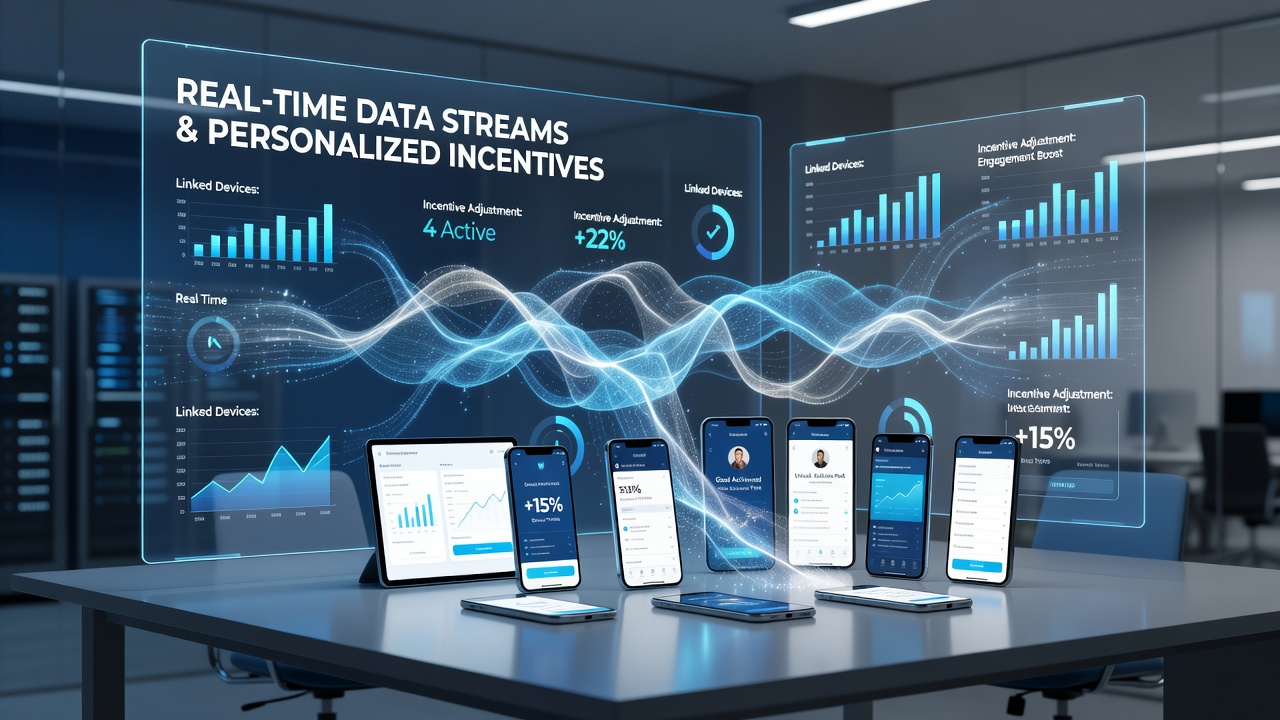
Regulatory frameworks in several jurisdictions require transparent disclosure of how data informs reward calculations, and operators respond by publishing summaries of the data categories used. European trade associations have published guidelines that encourage clear labeling of incentive sources, while Canadian provincial regulators track cross-device data usage through periodic audits. These oversight measures ensure that personalized structures remain compliant even as streams incorporate additional variables such as time-of-day patterns or concurrent multi-game activity.
Impact on Player Engagement Patterns
Operators observe that players who receive recalibrated incentives mid-session maintain higher activity levels compared with those exposed to static offers. The continuous feedback loop lets systems test small incentive variations on subsets of users and scale successful adjustments across the broader base within hours. One documented case involved an operator that linked mobile scratch-card completions directly to desktop poker rake credits, resulting in measurable increases in cross-genre participation after the integration went live.
Security protocols encrypt the data streams at each transfer point and apply anomaly detection to flag irregular patterns that might indicate account sharing or automated activity. When anomalies surface, the system temporarily freezes incentive updates until manual review confirms legitimacy, preserving the integrity of the personalization process. Academic papers from Australian universities have examined similar encryption approaches and confirmed their effectiveness in maintaining data accuracy during high-volume transmission periods.
Future Developments in Stream Architecture
Developers continue to refine predictive layers that anticipate player movement between devices and pre-load potential incentives before the switch occurs. These layers draw on historical transition frequencies to estimate the most probable next platform and prepare corresponding reward options. Integration with wearable devices adds another data dimension, supplying heart-rate or activity indicators that some operators correlate with engagement intensity for even finer incentive tuning.
Industry groups such as the American Gaming Association have released reports detailing best practices for maintaining data accuracy when multiple device inputs converge. Those documents emphasize the importance of standardized timestamp protocols and unified player identifiers that persist across environments. As adoption widens, observers note that smaller operators gain access to similar capabilities through third-party platforms that handle the heavy computational lifting.
Conclusion
Real-time data streams have established a technical foundation that lets gaming operators adjust personalized incentives continuously as players move between mobile and desktop interfaces. The integration of device-specific inputs into single profiles supports more precise reward timing and content, while regulatory and security measures maintain oversight. Continued refinement of predictive capabilities and additional data sources will likely extend these adjustments into new forms of cross-platform engagement in the coming years.